Do you want to build a community?

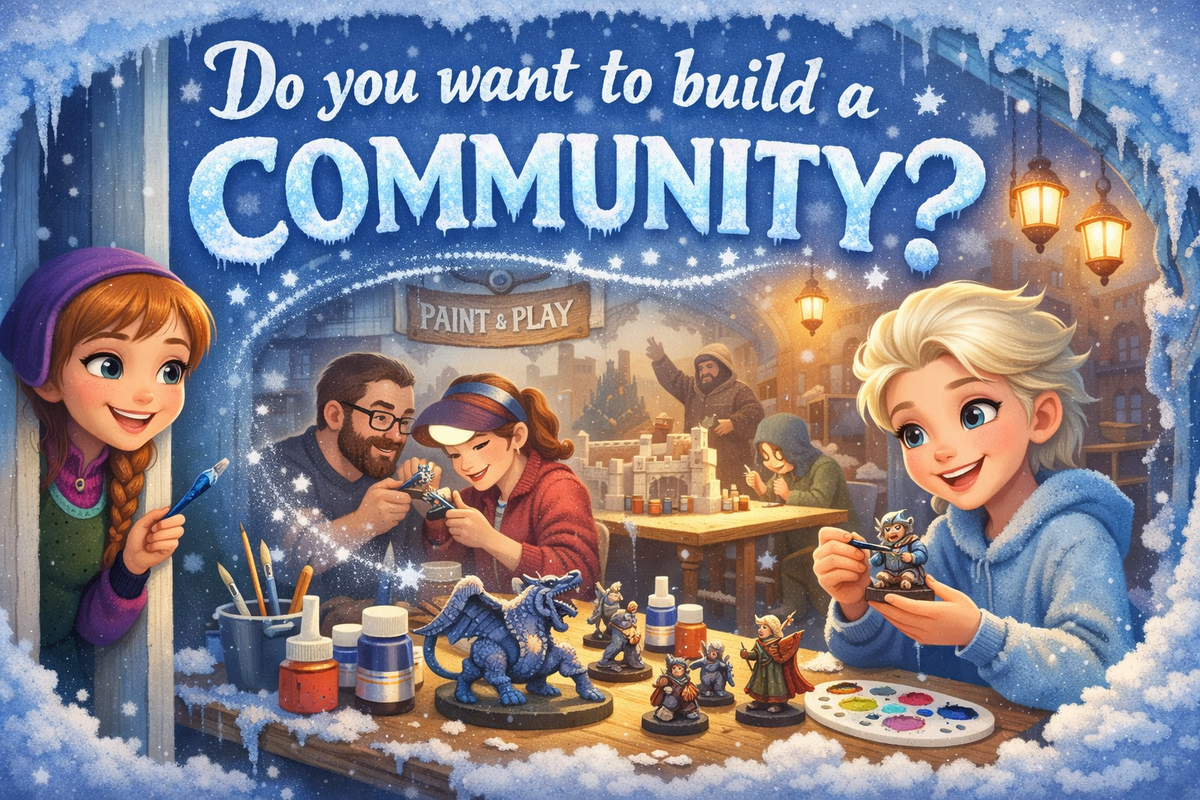
It's 2026, and there are currently more wargames and miniatures for them than there are stars in the sky, and because it is one of my ongoing missions to explore strange, new worlds games, let's talk about how to start a community for one!
Thomas Edison once said, “I have not failed. I’ve just found 10,000 ways that won’t work.” That mindset matters here, because building a community from scratch is incredibly taxing mentally, emotionally, and temporally; there's absolutely no shame in being too busy to make the attempt. There’s no shame in deciding you’re too busy to take it on. In fact, the worst thing you can do is make a half-hearted attempt that burns out your own enthusiasm and leaves your community sour on a game that never got a fair shot.
1) Sell the game
So you've found a new game, and are absolutely hot to trot about it. Great! As we all know, playing with yourself can be fun, but it's significantly more fun when you have someone to play with.
Sit down and have a think about what makes you so excited about this game, and what could excite other people about it as well. Does it have a tight ruleset that makes for super competitive play? Reach out to the tournament players in your community and get them a game.
Is it low model count, and plays quickly? Awesome, I bet the guys with families and lots of other commitments would welcome a chance to get more games in!
Is it model agnostic with free rules, and focuses on presentation? Sounds like a dream for the more hobby focused people in your local meta.
As a final thought on the matter, don't just throw out an open invitation to your community. A "Hey guys, who wants to play NewGame?" on your group's Discord might gin up a little bit of interest, but reaching out to a player with a personal invitation to a demo is likely going to yield better results.
2) Present the best version
Ash Barker of Guerrilla Miniature Games has what he calls the “Christmas Morning Test” for starter boxes: can you quickly get the actual game experience out of the box with minimal friction? I’d like to propose a corollary to that idea, are the demo games you’re running an experience?
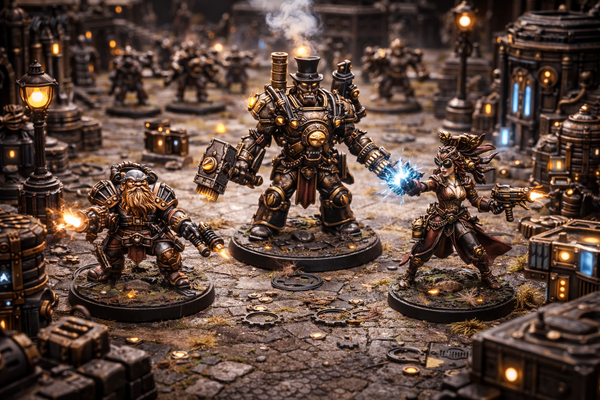
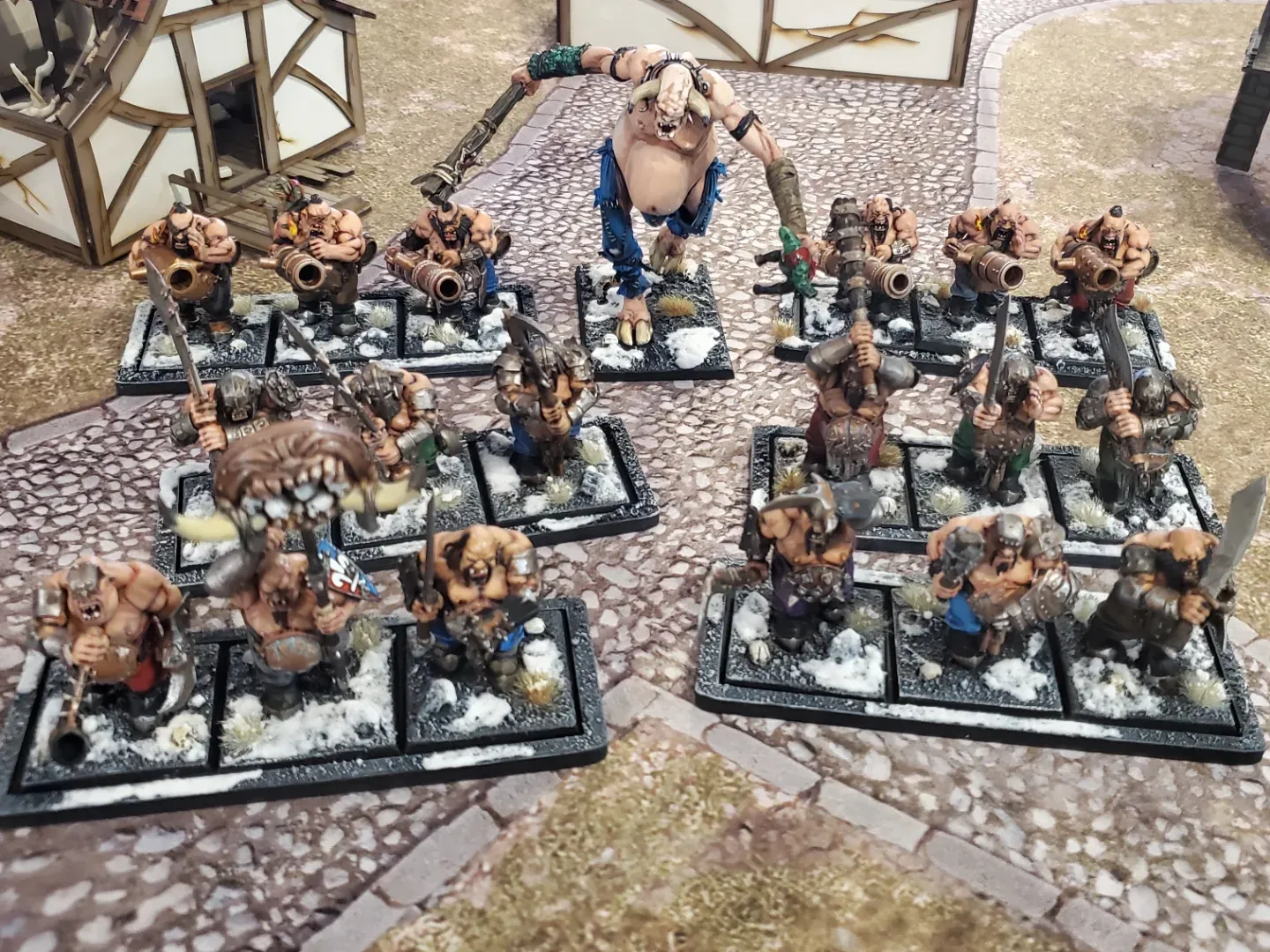
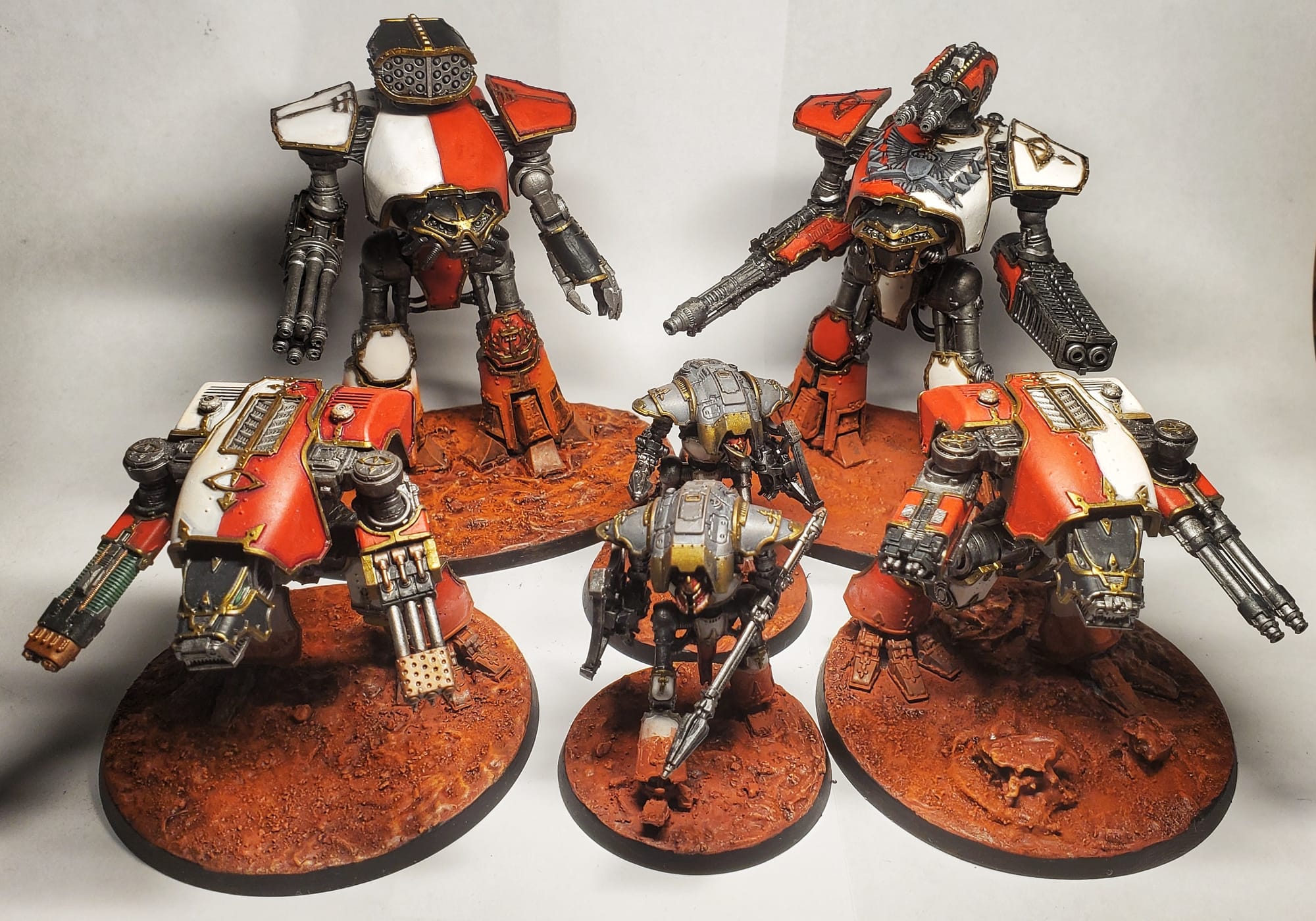
Most of us were younger gamers once. We didn’t know how to, or couldn’t afford to, build beautiful armies or tables. Those memories can be charming and nostalgic, but running demos that way doesn’t make a persuasive argument to newcomers. You will get to a “yes” far more easily if you show up with two painted forces on a table that looks like something worth playing on.
And, somehow this still needs to be said: make it fun for the new people. I’ve had more than a few conversations in certain metas where players insisted on bringing maximally competitive lists because that’s what’s fun for them, even against brand-new opponents. These were often the same people lamenting that their community wasn’t growing. When you’re playing new players, try unbalanced scenarios, thematic or “weird” lists, or even cooperative games. The goal isn’t to prove mastery; it’s to make sure your opponent has a good enough time to come back to this expensive, time-consuming hobby.
3) Be consistent
This one very simple rule is probably going to be the most difficult ask for most people. Gods know there are more things to be done than there are hours in the days, but if you want a new game to succeed you need to be consistently available, amenable, and affable.
Being all those things doesn’t mean sacrificing your entire life to a game, but it does mean showing up in ways people can rely on. New players are taking a social risk when they try an unfamiliar system, and your presence is often the difference between curiosity and commitment. Answer questions promptly. Be flexible about scheduling, teaching, and mistakes at the table. Greet interest with enthusiasm rather than exhaustion. Early communities don’t grow because the rules are perfect or the miniatures are beautiful; they grow because someone made it feel easy, welcoming, and fun to participate.
If you've stuck with it this far, thanks for reading. Have you been able to to start a community for a game in your local scene? How did you do it? Let us know in the comments!