Make Like a Tree: Branch Out!


Man, is it a great time to be doing miniature wargaming as a hobby. I don't think there's been another time where there have been so many different games available, or as many plastic models to choose from. That's all without even taking into consideration how transformative 3d printing has been for terrain-making, let alone the rest of the hobby!
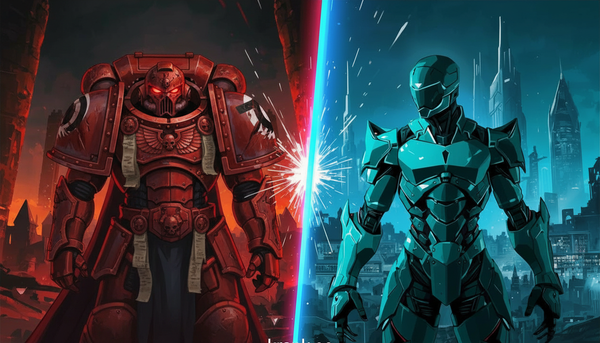
In light of all that, what pains me most is seeing people blindly cling to just one particular game system. Theoretically, if there were some dominant force in the market that made a game that was considered the standard, and was then the most frequently played and collected game ever, I could see how it would be hard to step away from that. Especially when it is ticking all your boxes. Or at least the boxes you are aware of.
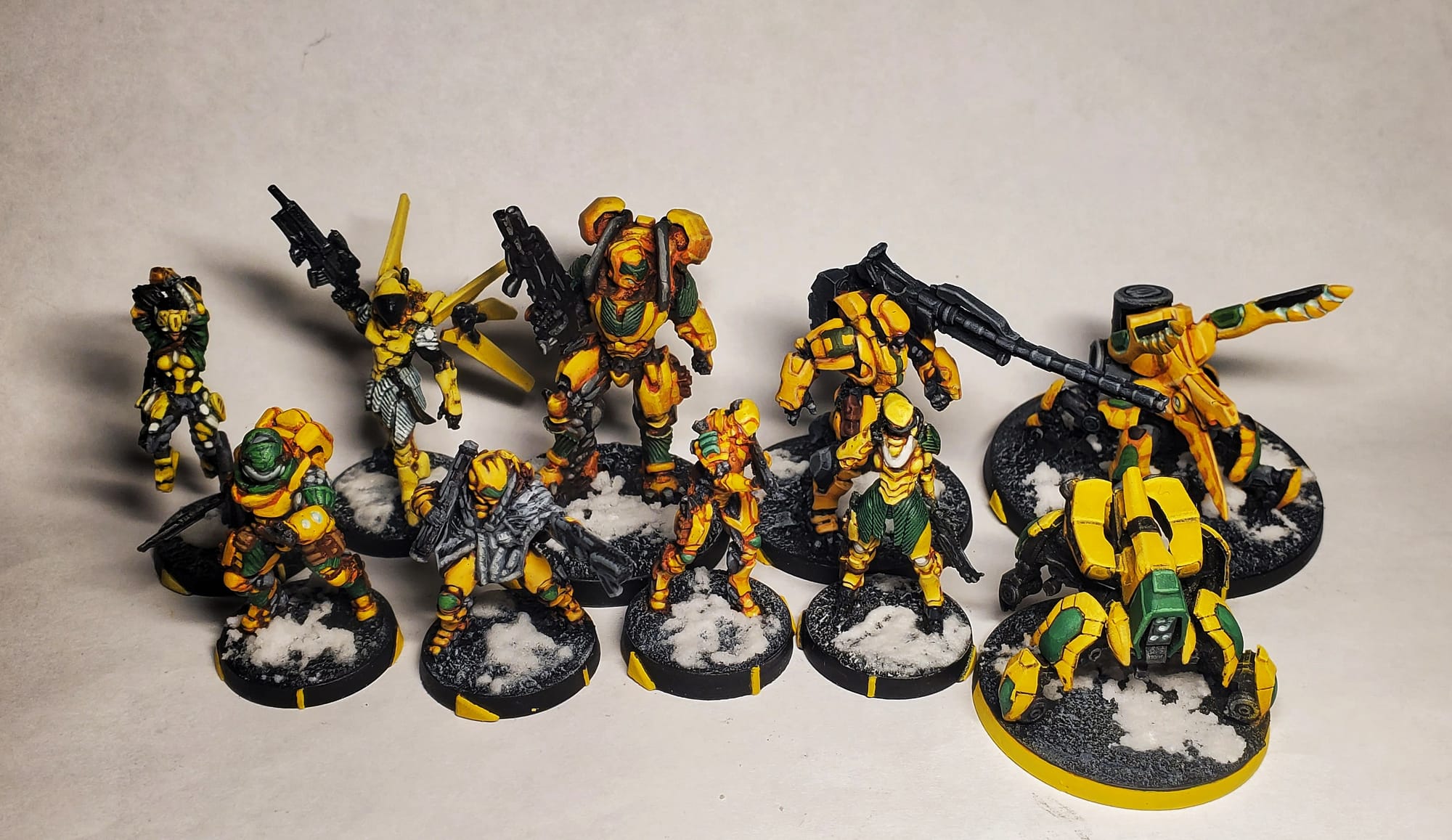
The problem with familiarity is that it masquerades as contentment. When you've spent years, sometimes decades, building an army, learning the rules, and embedding yourself in a particular game's community, the idea of trying something new can feel almost like a betrayal. Your collection becomes an anchor. You've invested so much that walking into a hobby store and picking up something unfamiliar feels frivolous, even irresponsible. But there's a meaningful difference between loyalty and inertia, and it's worth asking yourself honestly which one is keeping you playing the same game.
There's a real situation that people find themselves in, and it's hobby blinders. It's the condition of measuring every game against the one you already play, and finding them all wanting; not based on the merits, but because they're different. Different activation sequences, different dice conventions, different scales. Different doesn't mean worse. It just means unfamiliar, and unfamiliar is uncomfortable, and uncomfortable gets quietly dressed up as a principled critique.
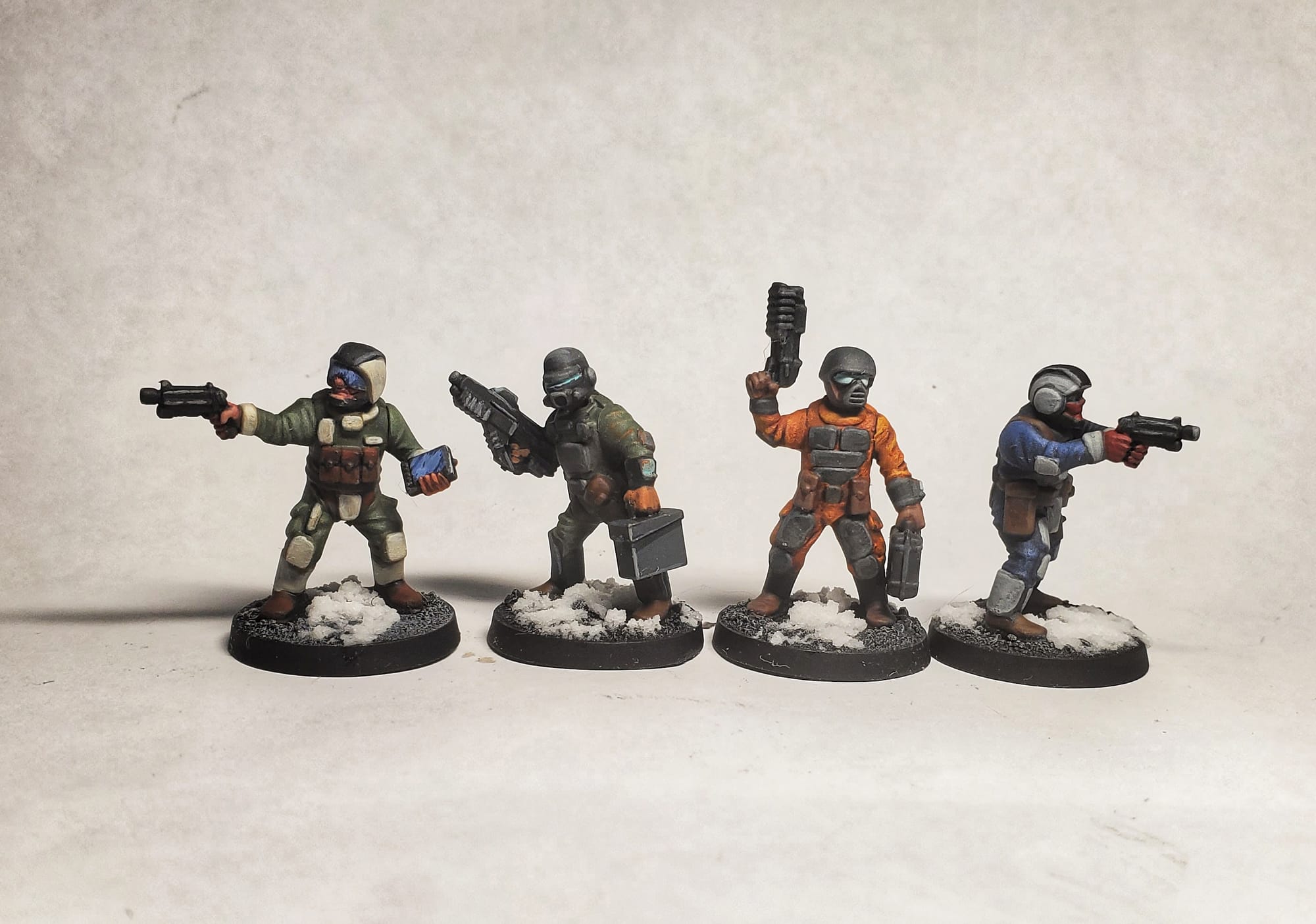
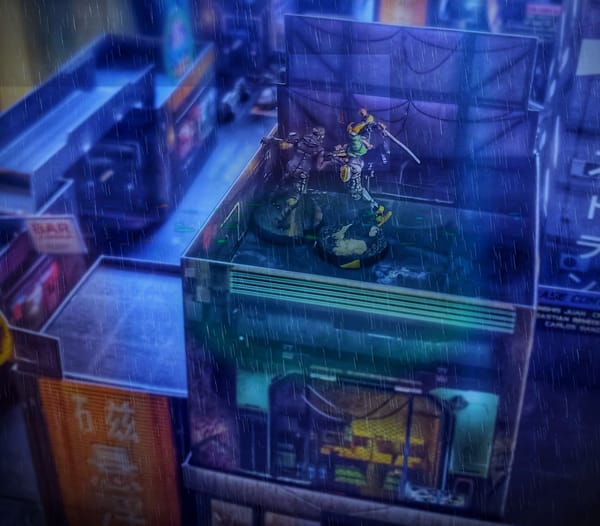
Here is where genuine excitement lives, if you're willing to go looking for it. The mechanical diversity in tabletop wargaming right now is staggering. Alternating activation systems that eliminate the deadening wait of IGOUGO. Campaign systems that give your skirmishes narrative weight and consequence. Games that use cards instead of dice, creating an entirely different relationship with probability and planning. Asymmetric faction design, where two armies don't just have different units but fundamentally different rules, and where winning as one side demands a completely different mindset than winning with the other.
Every one of these systems represents a different designer's answer to the question of what makes a war game satisfying. Playing across multiple systems only deepens your hobby instead of diluting it. You start to develop a nuanced vocabulary for design; what things you enjoy in a system, and what things just don't click for you.
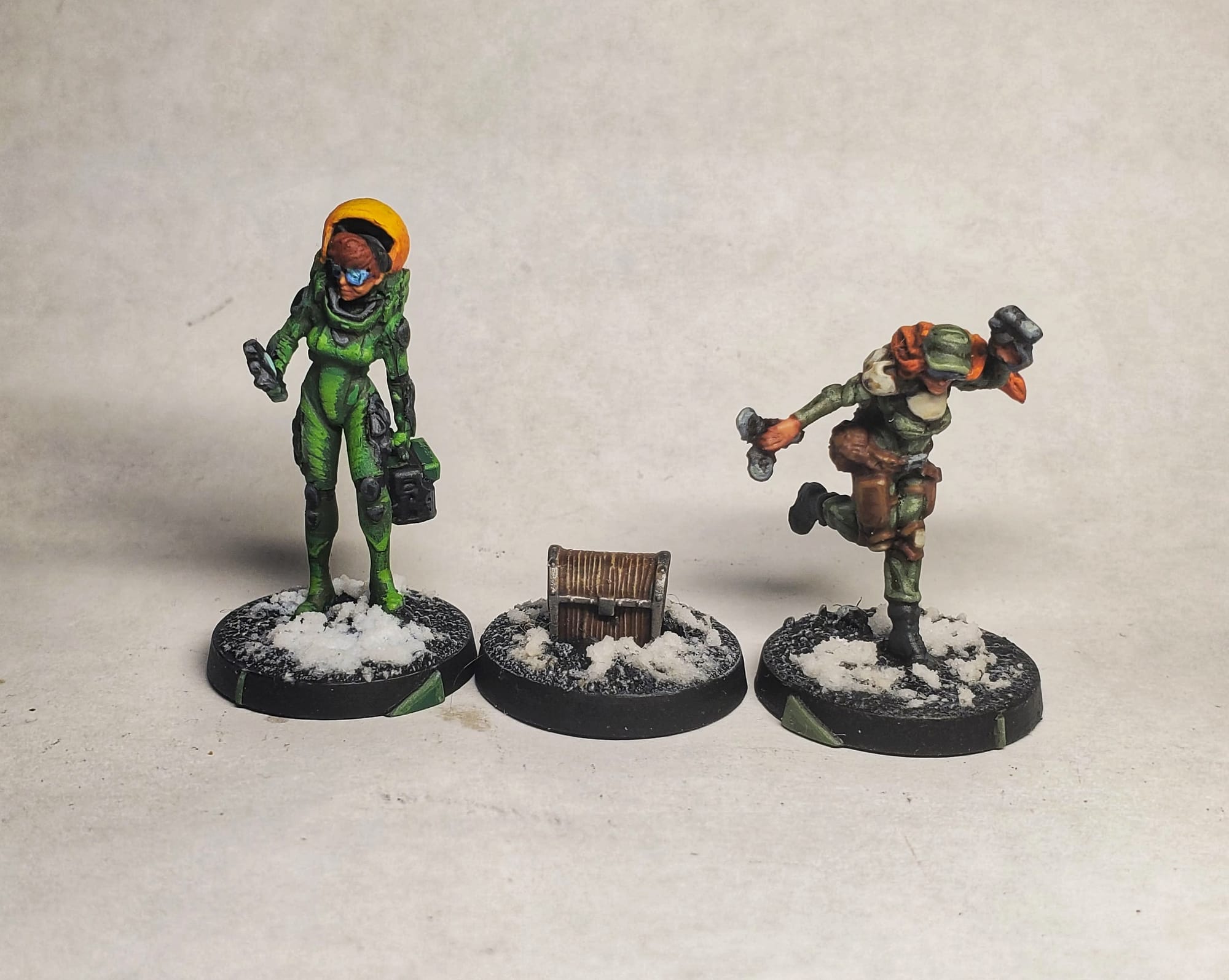
None of this is an argument to abandon the games you love. If your current system genuinely fulfils you. If the games are regular, the community is warm, and the models still excite you, then by all means keep on keepin' on. The point isn't to chase novelty for its own sake, but to deepen your understand of what you enjoy most, and enrich your hobby journey.
I'll bet that each and every one of you has a friend (except Ben) that has been trying to get you to try a game they love. They've got a couple lovingly painted forces, a beautiful table, and all the enthusiasm and knowledge anyone could ever hope for in an opponent, and I'd urge you to take them up on their offer of a demo game. The absolute worst case is you find something you just don't quite jive with, and the best is a new obsession. Go forth and conquer, friends.