Return to Malifaux: A Series

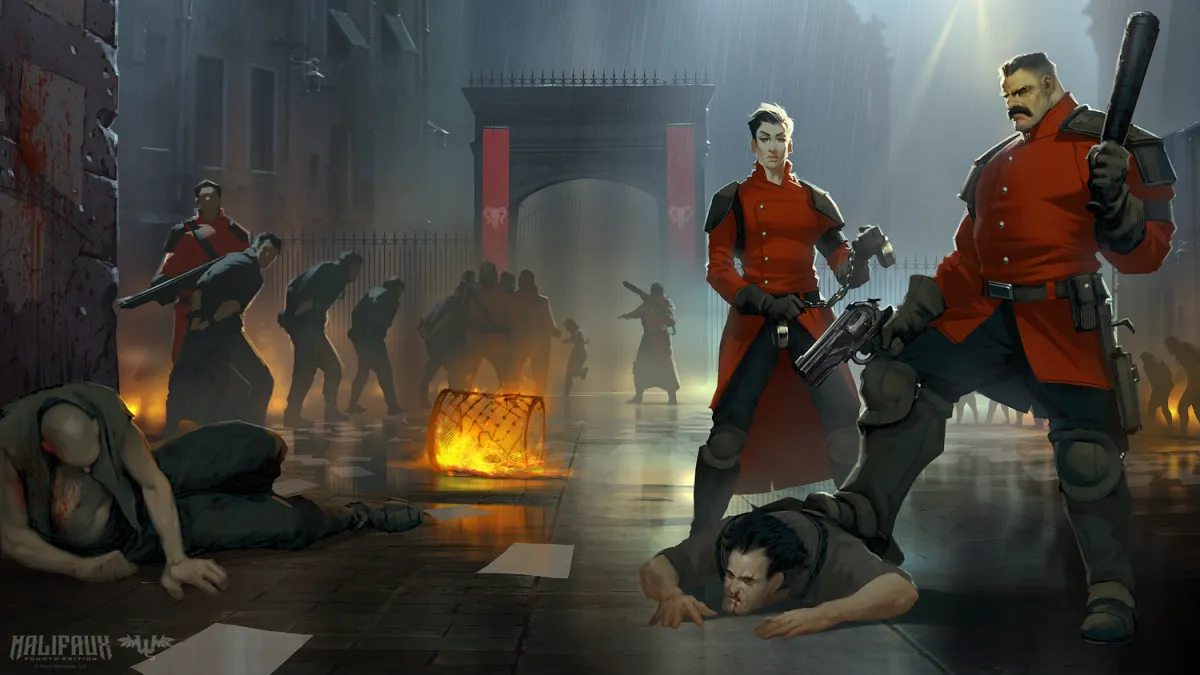
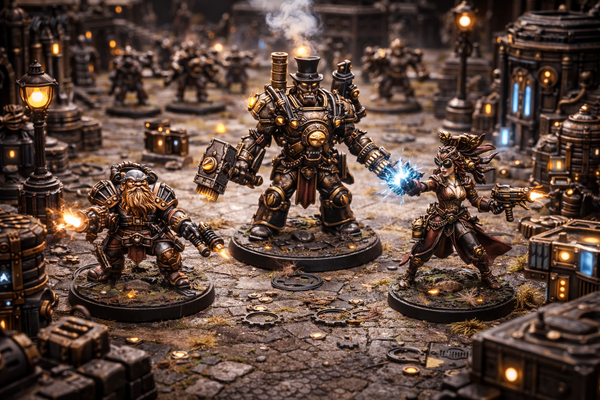
About 15 years ago, a wargaming friend voluntold me to try a new game he was excited about. It had a gorgeous steampunk aesthetic, an innovative activation system, and used a deck of cards instead of the six-sided dice I was so accustomed to.
It was Malifaux, and I didn’t love it.
It wasn’t any one particular thing. The lumpy metal models, the clunky first-edition rules, and the fact that I was deep into Warhammer 40,000 at the time all pushed me out fairly quickly.
But now it’s 2026, and I’m back, baby.
So what changed? Let’s dive into why I’m giving Malifaux another shot.
1) There's a strong local community
To borrow someone else’s wisdom: a decent game you can actually play is better than the perfect game that never hits the table.
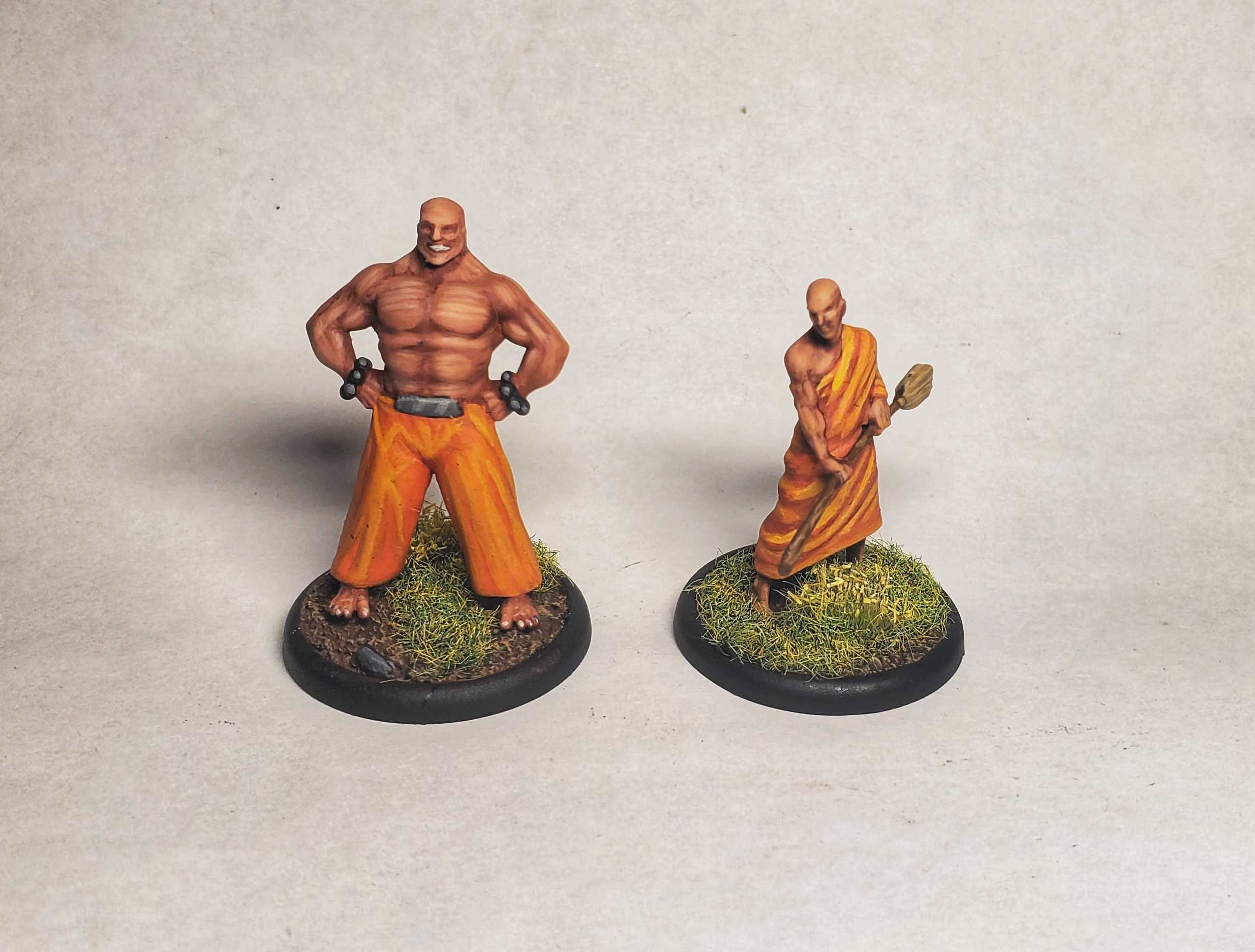
I still don’t love the aesthetics of Malifaux, but my local scene may have made the decision for me. It’s small, but it’s active. People play regularly. They run events. Models get painted. Games get finished.
I’m never going to be a competitive player, but with the right mindset, a casual event can be a fantastic way to spend a Saturday. One of my goals this year is simply to play more games and jumping back into Malifaux is a practical way to make that happen.
2) Interesting Mechanics
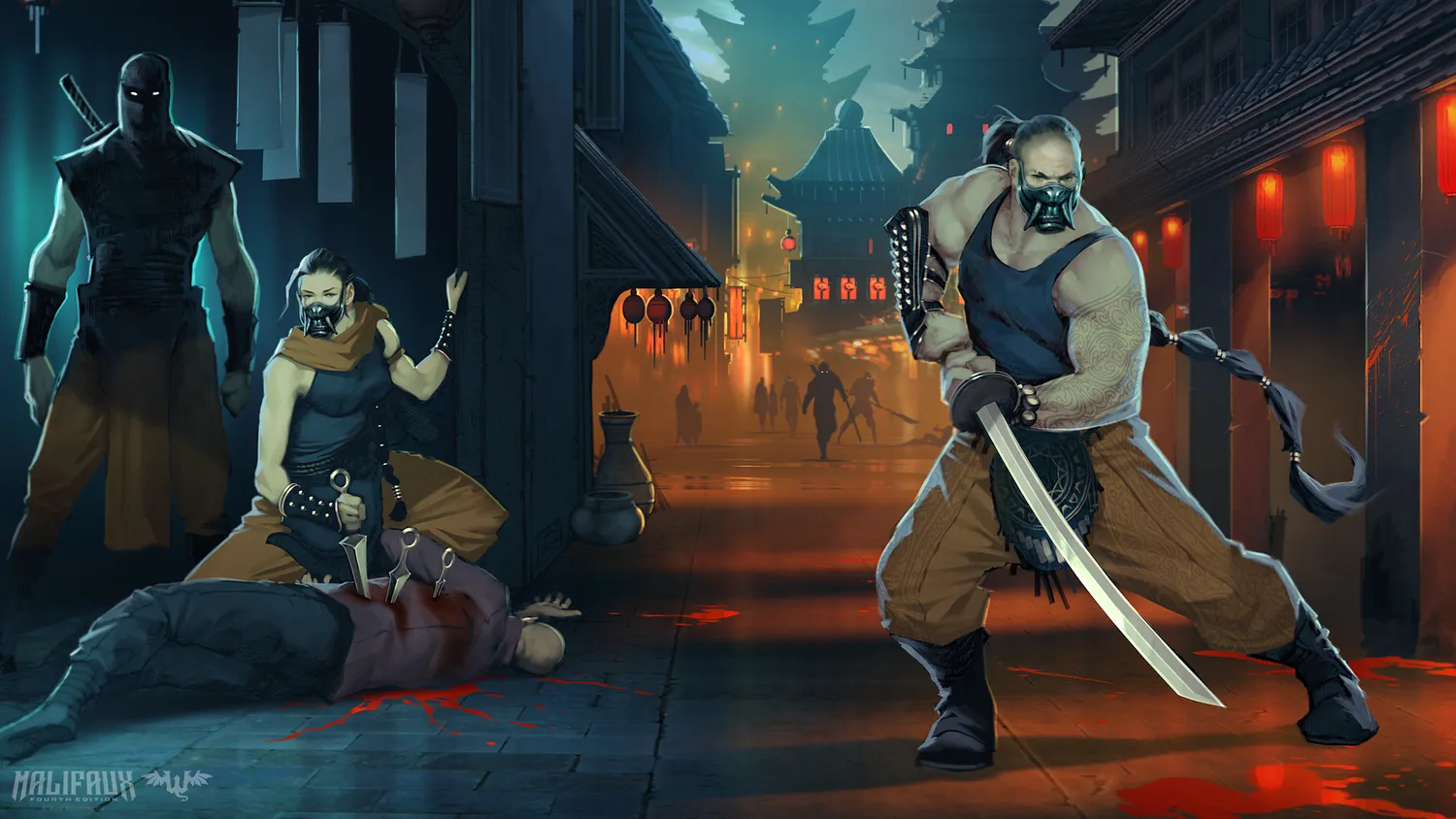
Playing cards have always been part of my family life, so the way Malifaux builds its mechanics around a deck is gratifyingly familiar.
The meme is to reject modernity and embrace tradition, but here the tradition actually serves the design. Being able to track which cards have already been played in a turn makes each flip more dramatic. You’re not just hoping for a high number, you’re calculating odds based on what’s left in the deck. On top of that, abilities that trigger off specific suits adds a clever layer of texture without feeling random.
The objective system is just as interesting. While the primary objective is randomly selected from a small pool, you choose your secondary from several options. More importantly, that first secondary you choose shapes what’s available to you later. It rewards flexible list building and forward planning; not just reacting to the board as it stands, but anticipating what it will look like in future turns.
3) The Spectacle
If you’ve read any of my other posts, you already know I have a soft spot for low model count games, especially ones that reward beautiful, thematic boards. No offense to anyone who enjoys dropping a horde of identical models into L-Shaped Ruin City; that just ain't me.
Sticking to games that use ten or so models per side lets me push my painting a little further while still finishing forces in a reasonable amount of time. The time and energy I save can go back into the hobby in other ways, particularly terrain.
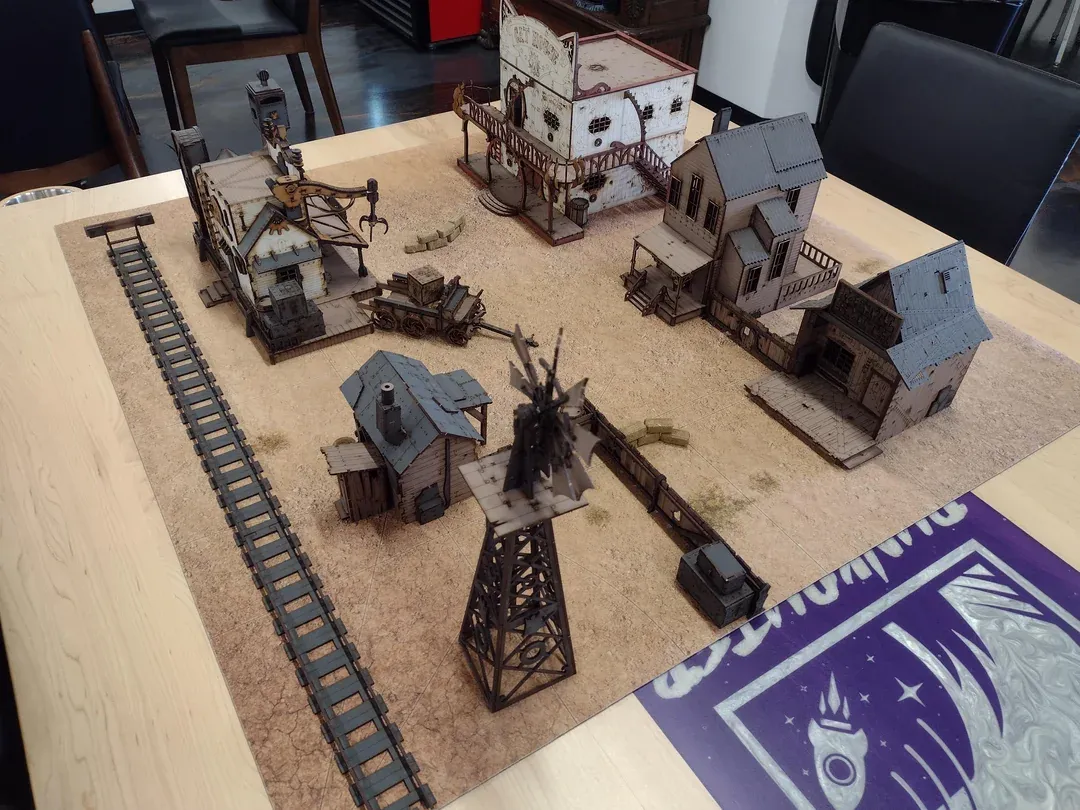
I've had a whole Wild West table worth of terrain sitting on the shelf for a stalled Dead Man's Hand project. But you know what? It turns out it pairs pretty nicely with Malifaux and I can't wait to get some paint on it.
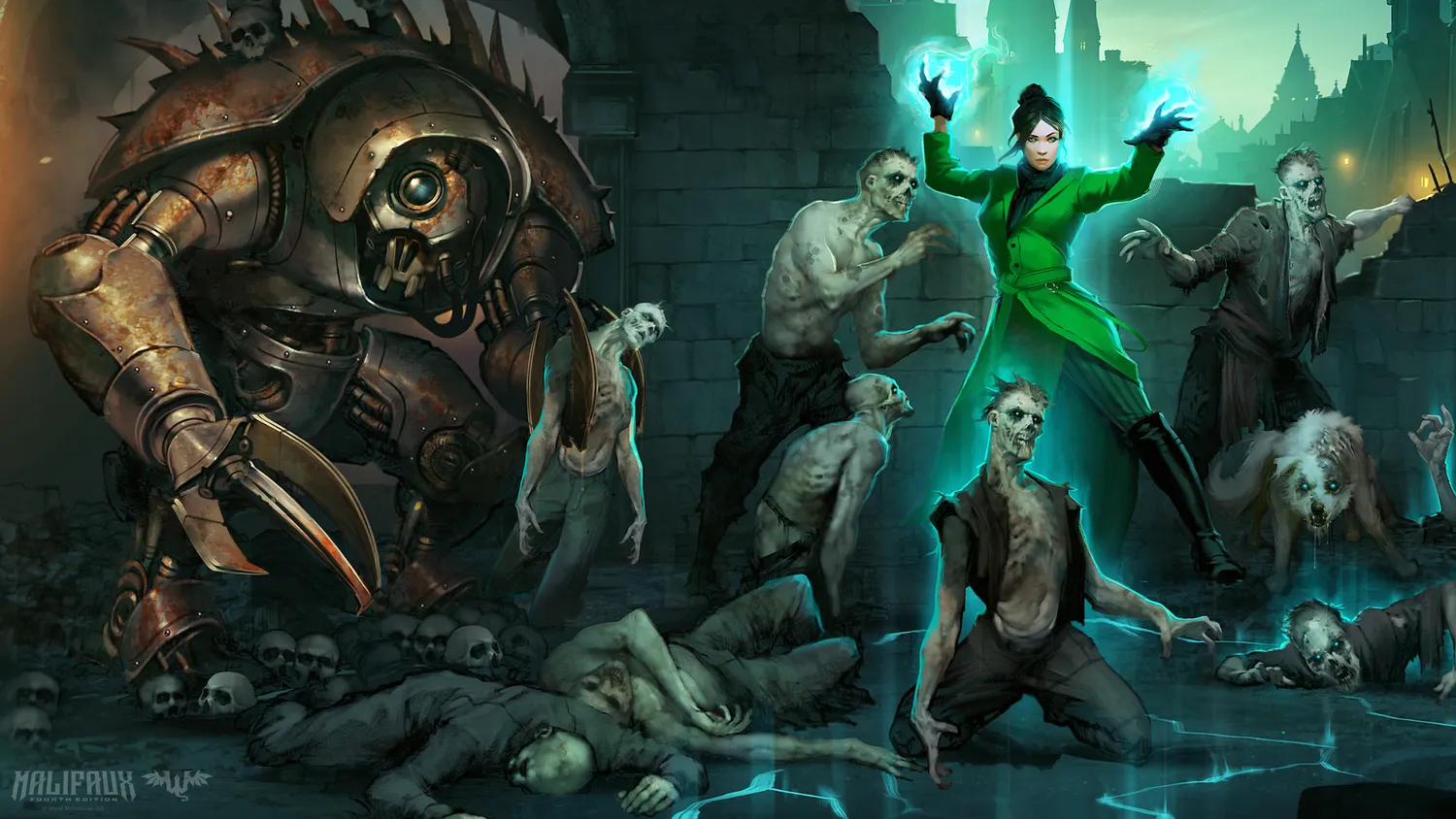
Fifteen years later, Malifaux isn’t the game I wanted; it’s the game that fits. Six months ago I wouldn’t have predicted that. But maybe this is just another reminder that the hobby changes, and so do I. Sometimes it’s worth listening when a friend won’t stop talking about a game, even if you’re not immediately sold.
If you’ve made it this far, thanks for reading. I’m looking forward to seeing how this return to Malifaux plays out over the year. If you’ve tried it yourself, I’d be curious to hear what you think.